Welcome to the world of professional audio mixing and mastering! In this blog post we dive deep into the heart of every home studio: the studio speakers and monitoring monitors. Why are they so crucial for your productions and which models perform well? Stay tuned if you want to uncover the secret behind crystal‑clear sound!
What makes a studio speaker special?
Studio speakers, often called near‑field monitors, fundamentally differ from conventional hi‑fi speakers. Their main goal? Unadulterated, precise sound reproduction. Unlike hi‑fi systems — which often aim to pretty up the sound — studio monitors give you an honest view of your mixes. This lets you make fine adjustments that give your productions the final polish.
Why do you need studio speakers & monitoring monitors in your home studio?
The answer is simple: to achieve professional audio quality. Whether you produce music, record podcasts or edit sound for video, accurate sound reproduction is decisive. It allows you to make mixing decisions based on what’s really there — and not on what your speakers add or subtract.
The best studio speakers & monitoring monitors 2024 for home studios
Overview:
- Presonus Eris E5
- KRK Rokit 5
- ADAM Audio T7V
- Yamaha HS7
- Neumann KH 120 II
- Genelec 1032 CPM
- HEDD Audio Type 07 MK2
- KS Digital C5-Reference
Presonus Eris E5
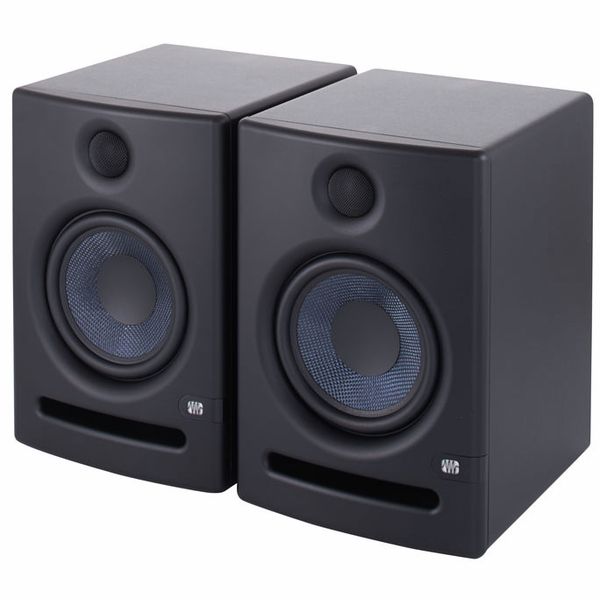
The Presonus Eris E5 speakers feature a 5.25″ Kevlar woofer and a 1″ silk‑dome tweeter. They offer a frequency response of 53 Hz to 22 kHz — giving excellent clarity across the spectrum. With 45W for the woofer and 35W for the tweeter they deliver a balanced and strong reproduction. Also included are acoustic adjustment options on the rear to tailor the sound to different rooms.
With their compact size the Eris E5 fit almost any desk or smaller studio setup. Their size makes them an ideal choice for near‑field monitoring in tight spaces.
- Type: Near‑field Monitor
- Click here to view the current price on Thomann
KRK Rokit 5 G4
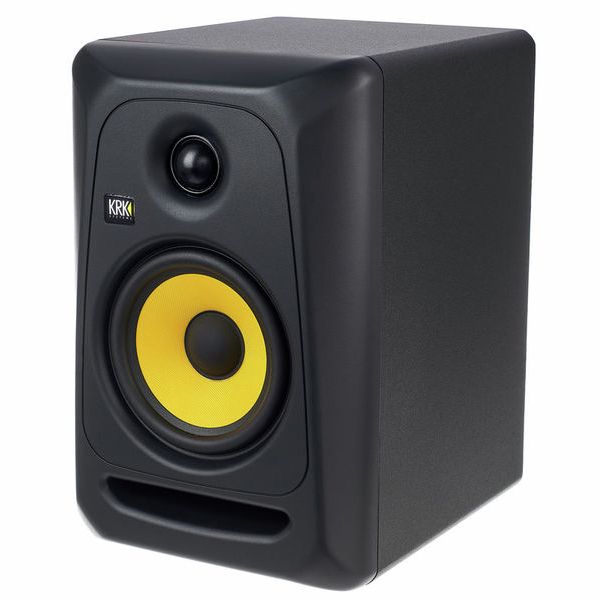
The KRK Rokit 5 G4, popular among beat makers, feature a 5″ glass‑aramid woofer and a 1″ glass‑aramid tweeter, paired with an integrated Class D amplifier for low and high frequencies. A special feature is the DSP‑controlled room correction with 25 graphic EQ presets that allow you to adjust to the acoustics of your room. Their frequency span extends from 43 Hz to 40 kHz.
The size of the Rokit 5 G4 is ideal for small home studio environments and despite the compact dimensions offers powerful reproduction.
- Type: Near‑field Monitor
- Click here to view the current price on Thomann
ADAM Audio T7V
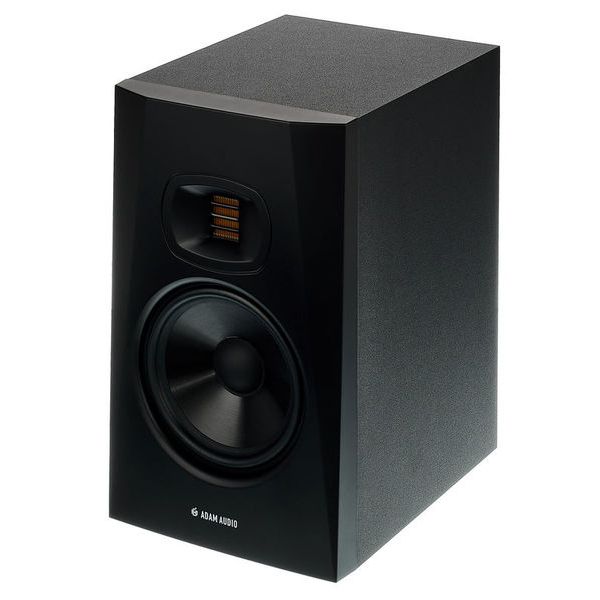
The ADAM Audio T7V has a 7″ polypropylene woofer and ADAM’s renowned U‑ART tweeter, which makes it unique for its size. The T7V monitors offer a frequency response from 39 Hz to 25 kHz and are powered by a 50W Class D amplifier for the woofer and a 20W Class D for the tweeter.
The somewhat larger 7″ configuration of the woofer compared to others in this list means the T7V delivers more bass power, making it a good choice for genres with emphasized low‑end.
- Type: Near‑field Monitor
- Click here to view the current price on Thomann
Yamaha HS7
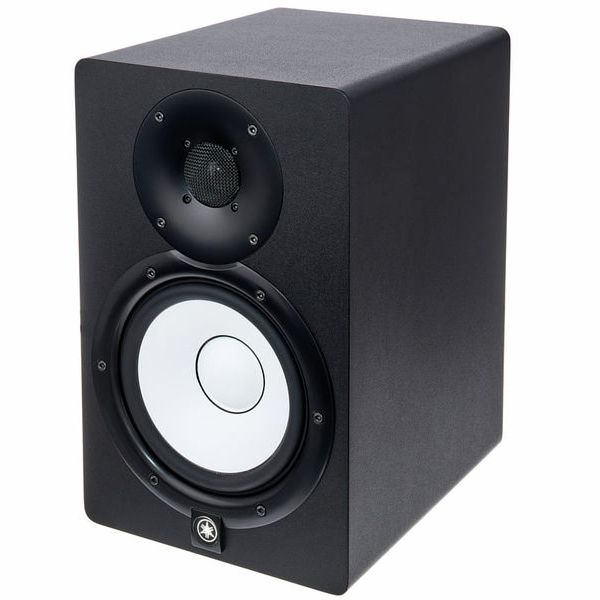
The Yamaha HS7 monitors offer a 6.5″ cone woofer and a 1″ dome tweeter, with 60W for the woofer and 35W for the tweeter. Their frequency response ranges from 43 Hz to 30 kHz. They are known for their neutral sound reproduction, enabling precise mixing decisions.
The HS7 pairs well in medium‑sized studios where they offer excellent sound quality without being overly large.
- Type: Near‑field Monitor
- Click here to view the current price on Thomann
Neumann KH 120 II
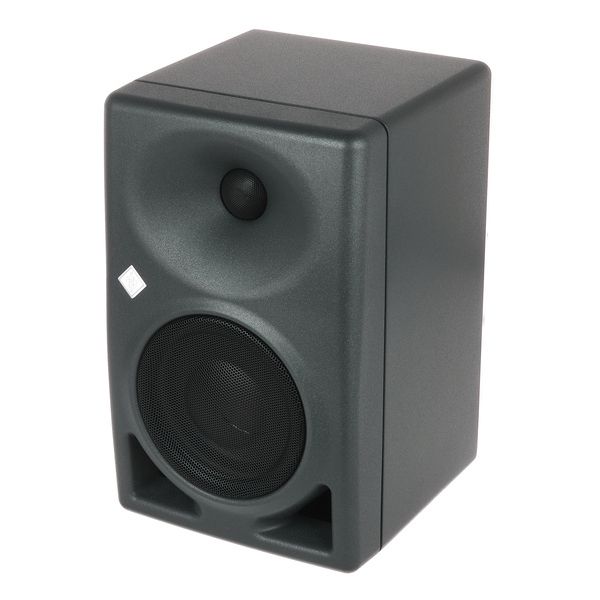
The Neumann KH 120 II is known for its precise sound reproduction and features a 5.25″ woofer and a 1″ tweeter. It provides an impressive 50W for both woofer and tweeter and covers a frequency range from 52 Hz to 21 kHz.
Despite its professional performance, the KH 120 II is compact enough to fit in most studio environments — making it a flexible tool for critical listening.
- Type: Near‑field Monitor
- Click here to view the current price on Thomann
HEDD Audio Type 07 MK2

The HEDD Audio Type 07 MK2 has a 7″ woofer and AMT tweeter, with a frequency response from 38 Hz to 50 kHz. Thanks to 200W total power and HEDD Lineariser® technology it enables phase‑linear reproduction — ideal for detailed mixing.
Our own experience with HEDD Audio products has been consistently positive. Like DJ Jazzy Jeff and many other top producers we rely on HEDD speakers and headphones in our studios. Want to experience the extraordinary sound quality yourself? Use the generous 100‑day return policy to test the gear in your own studio.
The Type 07 MK2 impresses with its compact size without compromising sound quality. It’s the ideal choice for demanding home studios that require highly detailed and transparent sound.
- Type: Near‑field Monitor
- Click here to view the current price on Thomann
Genelec 1032 CPM
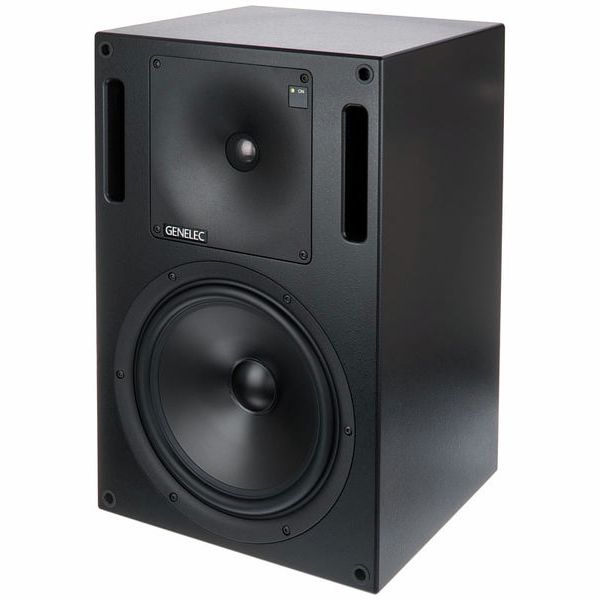
The Genelec 1032 CPM offers a 10″ woofer and a 1″ metal‑dome tweeter, supported by a powerful amplifier with 180W for woofer and 120W for tweeter. It provides a frequency range from 33 Hz to 23 kHz and is known for its automatic room adjustment technology.
Its size makes it a preferred choice for professional studios that require midfield monitoring and have the ability to cover larger rooms.
- Type: Mid‑field Monitor
- Click here to view the current price on Thomann
KS Digital C5-Reference
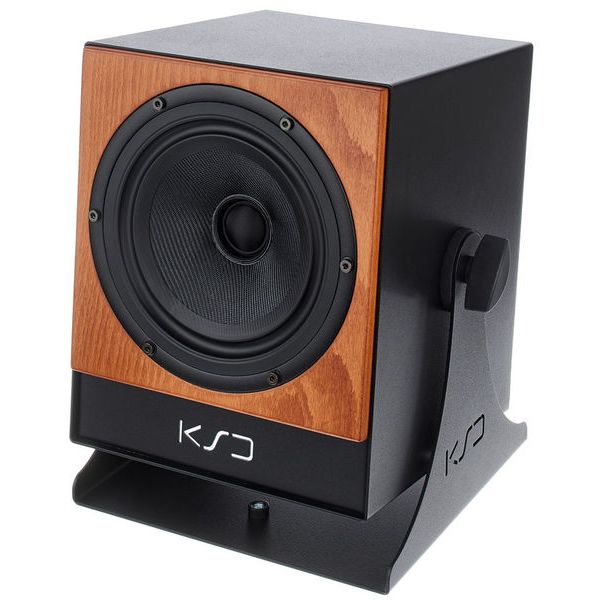
The KS Digital C5‑Reference monitors feature a 5″ coaxial woofer and a built‑in tweeter, offering a unique point‑source reproduction for extremely precise stereo positioning. They provide a linear frequency response across the listening range and are known for their detailed and transparent sound reproduction.
Their compact size makes them ideal as a reference for near‑field monitoring in smaller to medium‑sized studios where precision is the focus.
- Type: Near‑field Monitor
- Click here to view the current price on Thomann
Pro Tip When Buying New Studio Speakers
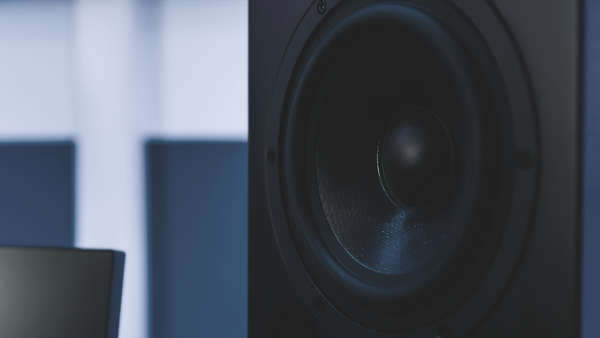
When you buy new monitoring monitors you should let them play music at room‑level volume (not too loud) for a few hours. After unboxing you can run any live‑stream and leave the house for a few hours. A so‑called “break‑in” time is rarely specified by manufacturers, yet the sound of your studio monitors improves greatly after a few hours or days.
Why does this happen?
A brand‑new speaker behaves somewhat like a newly purchased shoe: you have to wear it in for a few days before the stiff materials loosen. If you crank the volume directly after unpacking you risk damaging speaker materials. Over time the foam surrounds and the electronic components settle and provide better sound.
How to Position Studio Monitors Correctly

Give your home studio setup some distance from the wall to avoid problematic reflections or pressure build‑up.
- Use an equilateral triangle: position the monitors and your listening position so they form an equilateral triangle for the best stereo image.
- At ear‑height: the tweeters should be at ear height when you’re sitting.
- Avoid room‑modes: experiment with speaker placement to minimise standing waves and bass buildup.
Our Conclusion
Choosing the right studio speaker or monitoring monitor can be overwhelming, but the models listed above ensure that you make an informed decision. Always remember: the best monitor is the one that fits your individual needs and your working environment — and that you know best.
Consider These Tips When Choosing Studio Speakers
- Consider the size of your room.
- Decide whether you need near‑field or midfield monitors.
- Check the available connectivity and whether it’s compatible with your existing gear.
- Try different models if possible to get a feel for their sound.
Where can you buy studio speakers & monitoring monitors?
You can get studio speakers online either directly from manufacturer websites or from music retailers like Thomann, Europe’s largest music store and our go‑to source for music and studio equipment.
Frequently Asked Questions About Studio Speakers & Monitoring Monitors
What’s the difference between active and passive monitors?
Active monitors have built‑in amplifiers, while passive ones require external amps.
Do I need a subwoofer in my home studio?
It depends on your genre and preferences. A subwoofer can be useful to hear deep frequencies more accurately, but it’s not strictly necessary. Most producers and engineers work with a simple 2.0 stereo system.
How important is room acoustics?
Very important. Even the best monitors can’t perform to their full potential in a badly treated room — so make sure your acoustics are optimised. If you can’t spend much on acoustic treatment, some simple measures like a rug or plants can already help
Can studio monitors be used for entertainment purposes?
Yes — but they are designed for accurate reproduction, not for making music sound “better” for casual listening. A hi‑fi system is designed to enhance your listening experience by boosting certain frequency bands and is more suitable for entertainment.
How should I position my monitors correctly?
They should be at ear height and form an equilateral triangle with your listening position, with the tweeters pointed directly at your ears.
Where can I buy Studio Monitors?
- We recommend buying your studio monitors from Thomann. You’ll find a huge selection from entry-level to high-end models plus fast EU shipping, friendly and knowledgeable support and a 30-day money-back guarantee for a completely hassle-free purchase experience.